Oct 28, 2026
Prevent Oil-Canning in Metal Doors: The 10mm Honeycomb Rule
Stop surface oil-canning in hollow metal doors. Discover why high-density 10mm honeycomb paper cores provide the ultimate structural rigidity and flat surface.
Preventing Oil-Canning in Hollow Metal Doors: The 10mm Cell Size Rule
Manufacturing a premium hollow metal door requires a delicate balance of aesthetics, weight, and structural integrity. One of the most frustrating and costly defects in the steel door industry is "oil-canning"—the visible waviness, buckling, or popping sound on the surface of the metal skin.
When a steel door exhibits oil-canning, it immediately loses its premium appeal, leading to rejected shipments and damaged brand reputation. While many manufacturers blame the gauge of the steel or the pressing process, the true culprit usually lies hidden inside the door: The Infill Material.
In this engineering guide, we explore the physics behind surface distortion and why transitioning to a high-density, 10mm cell size honeycomb paper core is the ultimate solution for perfectly flat hollow metal doors.
Executive Summary: The Quick Verdict
- The Problem:Using low-density infill (like large-cell paper cores or cheap foam) fails to provide continuous backing for thin steel skins, causing the metal to warp under thermal stress or pressing pressure.
- The Solution:A high-density honeycomb paper core (specifically with a 10mm to 15mm cell size) creates thousands of rigid, uniform bonding points per square meter, completely eliminating surface waviness.
- The Maxwell TecX Advantage:We supply FSC®-certified, high-strength honeycomb door cores shipped in an unexpandedstate, allowing door manufacturers to achieve premium rigidity while slashing inbound ocean freight costs by up to 80%.
1. What Causes Oil-Canning in Steel Doors?
Oil-canning is an inherent physical characteristic of light-gauge cold-rolled or galvanized steel. Because the metal skin is thin (typically 18 to 20 gauge), it is highly susceptible to thermal expansion and contraction.
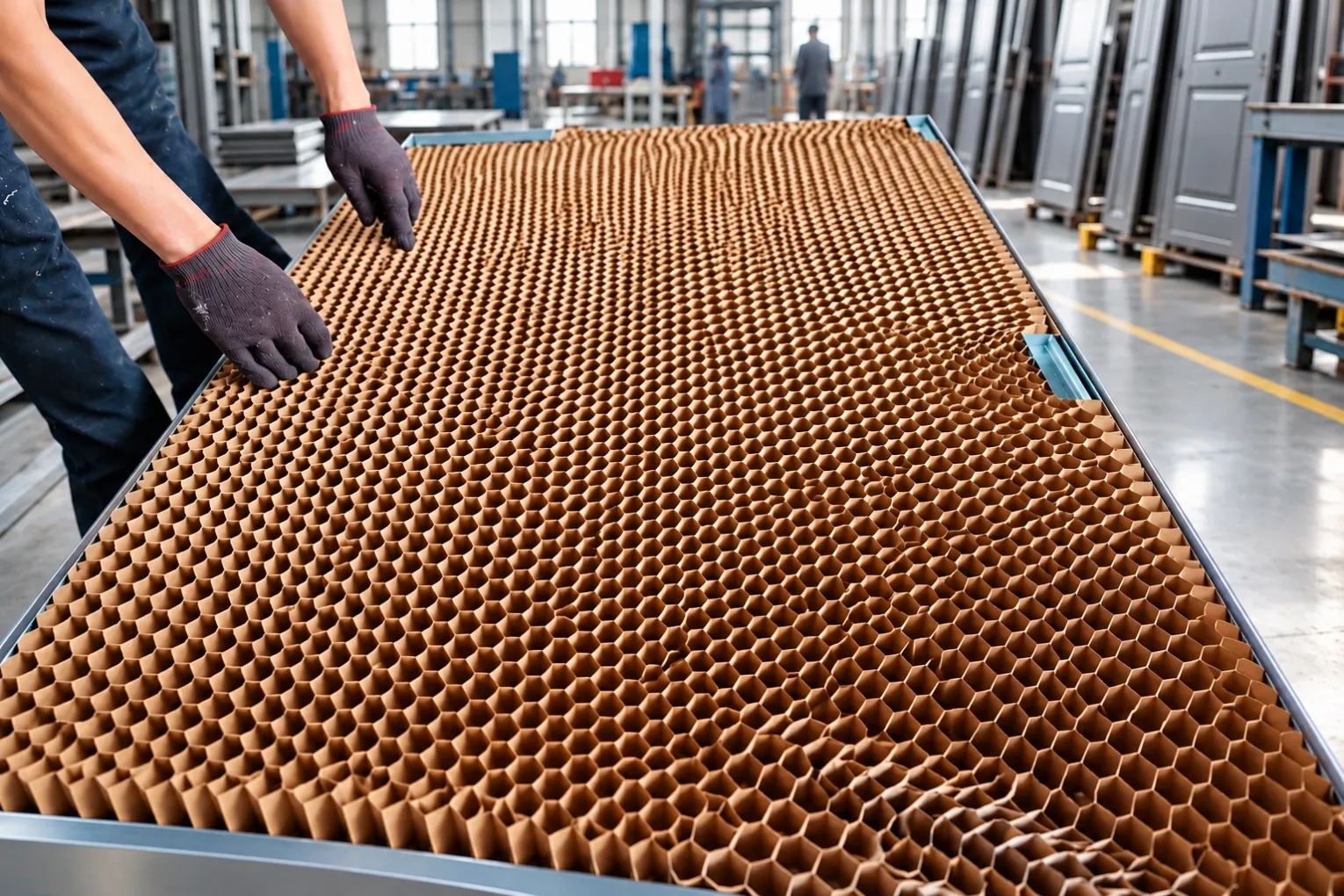
When the door is exposed to direct sunlight or temperature fluctuations, the metal attempts to expand. If the internal core does not provide a rigid, continuous bonding surface, the steel has room to buckle, creating the dreaded wavy appearance. Similarly, during the lamination and pressing process in the factory, uneven internal support will cause the steel to permanently deform.
2. The Physics of Honeycomb Infill: Why Cell Size Matters
Many door manufacturers use honeycomb paper cores because they are lightweight, eco-friendly, and cost-effective. However, not all honeycomb cores are engineered equally.
The critical metric is the Cell Size(the diameter of the hexagonal holes).
If a manufacturer uses a large cell size (e.g., 20mm or 25mm) to save money on paper, the gaps between the structural walls are too wide. When the thin steel skin is pressed against this large-cell core, the metal can slightly cave into the empty hexagonal voids.
The 10mm Rule:
To achieve a mirror-flat surface, packaging and door engineers recommend a high-density core with a cell size of 10mm to 15mm. At this density, the hexagonal walls are tightly packed. This creates a massive increase in the surface area available for the adhesive to bond with the steel skin. The result is a continuous, rigid structural matrix that physically prevents the steel from expanding or buckling.
3. Compressive Strength and Sound Insulation
Beyond preventing oil-canning, a high-density honeycomb core significantly upgrades the overall performance of the hollow metal door.
- Extreme Rigidity:The vertical cellular structure acts like thousands of tiny I-beams. A 10mm core manufactured with high-strength kraft paper (e.g., 140gsm) provides exceptional vertical crush resistance, ensuring the door feels solid and heavy-duty upon impact.
- Acoustic Performance:The trapped static air within the small hexagonal cells acts as a natural sound barrier, significantly improving the STC (Sound Transmission Class) rating of the interior door.
4. The Logistics Hack: Unexpanded Shipping
The biggest challenge for door manufacturers importing high-density cores is the freight cost. Fully expanded honeycomb boards take up massive amounts of container space.
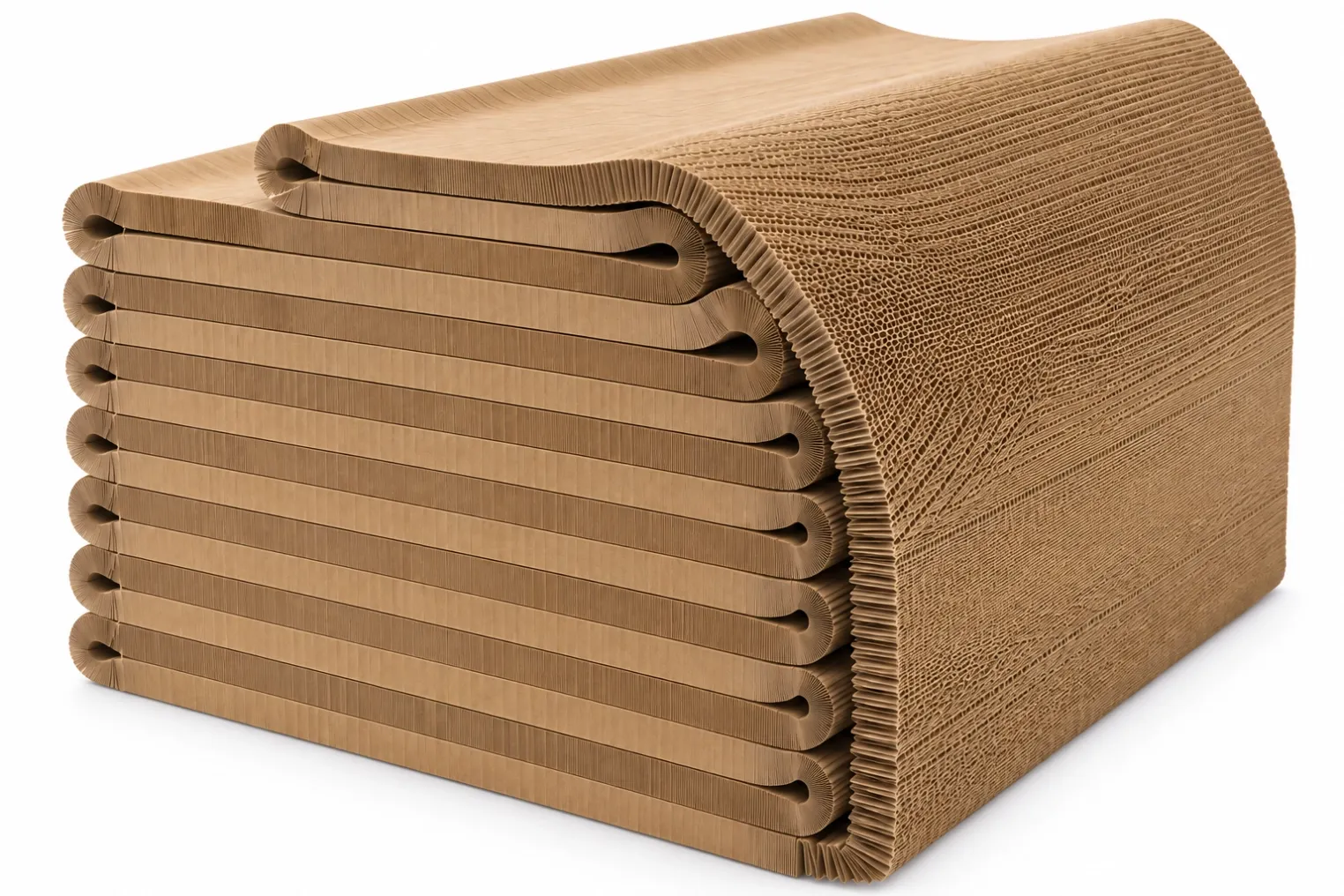
Maxwell TecX solves this by shipping our honeycomb door cores in an unexpanded (compressed) state.
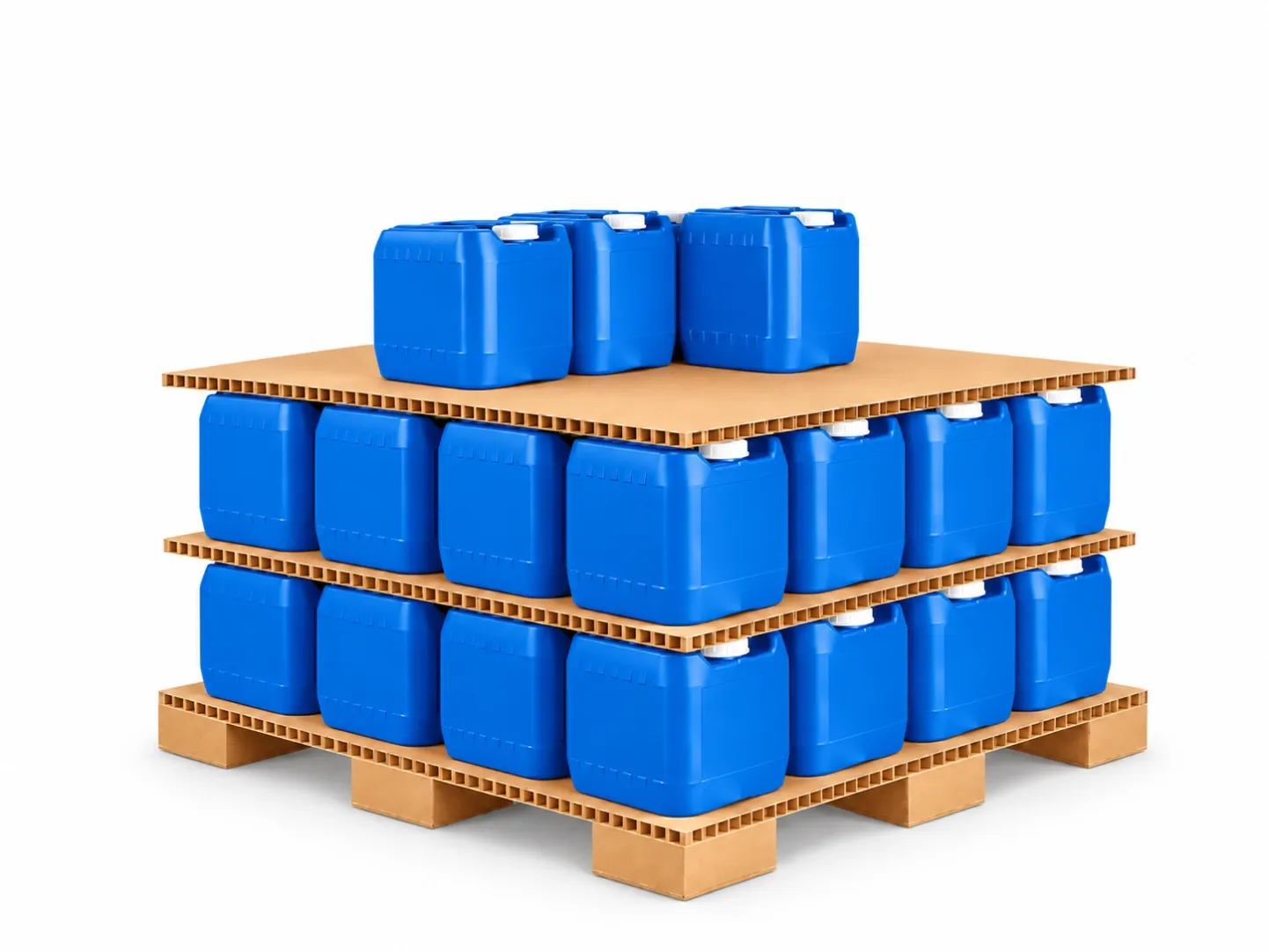
A single pallet of our compressed core slices expands up to 30 times its volume upon arrival at your facility. This logistics hack allows you to import premium, high-density cores from our Chinese manufacturing base while paying almost zero ocean freight per door. You get the ultimate structural infill at an unbeatable landed cost.
Frequently Asked Questions (FAQ)
Q1: Can honeycomb cores be used in fire-rated metal doors?
Standard kraft paper honeycomb is highly suitable for standard hollow metal doors and interior commercial doors. However, for strictly certified fire-rated doors (e.g., 90-minute or 3-hour ratings), specialized fire-resistant cores or mineral wool are typically required by building codes.
Q2: How do we expand the unexpanded core at our factory?
Expanding the core is highly efficient. The compressed slices can be pulled apart manually by operators or fed through an automated continuous expansion machine before being placed into the steel door frame for adhesive application and pressing.
Conclusion: Build Better Doors, Protect Your Margins
Eliminating oil-canning doesn't require thicker, more expensive steel; it requires smarter internal geometry. By upgrading to a high-density 10mm honeycomb paper core, you guarantee a flawless, premium finish for your hollow metal doors.
At Maxwell TecX, we act as the backend OEM for leading global door manufacturers.
Contact our engineering team today for a custom landed-cost calculation on unexpanded door cores.