Aug 11, 2026
Why FSC Honeycomb Infill is the Future of Flat Pack Furniture
Discover why flat-pack furniture manufacturers are replacing heavy MDF with FSC-certified honeycomb paper infill to cut shipping costs and meet 2026 ESG goals.
Why FSC Certified Honeycomb Infill is the Future of Flat Pack Furniture
The global flat-pack furniture market is booming, driven by e-commerce and
changing consumer lifestyles. However, furniture manufacturers in 2026 are
facing a perfect storm: skyrocketing last-mile delivery costs, strict new
environmental regulations (like the EU Deforestation Regulation - EUDR), and
consumers demanding highly sustainable products.
For decades, solid wood, MDF (Medium-Density Fiberboard), and particleboard were
the standard core materials. Today, they are heavy liabilities.
If you are a product designer or supply chain director in the furniture
industry, the mandate is clear: you must reduce weight without sacrificing
structural integrity. Enter the ultimate solution: FSC®-Certified Honeycomb
Paper core.
In this comprehensive guide, we explore why transitioning to honeycomb paper
cores is no longer just an eco-friendly option—it is a critical strategy for
protecting your profit margins.
TL;DR: The Quick Verdict
- The Problem: Traditional MDF and particleboard cores make flat-pack furniture extremely heavy, inflating shipping costs and increasing carbon footprints.
- The Solution: FSC-certified honeycomb paper infill provides the rigidity of solid wood at a fraction of the weight.
- The Maxwell TecX Advantage: By shipping honeycomb cores from China in an unexpanded (compressed) state,manufacturers save up to 80% on inbound raw material freight, maximizing total ROI.
- Drastic Weight Reduction: Slashing Last-Mile Delivery Costs
In the e-commerce furniture sector, shipping costs are calculated by weight and
dimensional volume. Heavy tabletops, wardrobe doors, and shelving units eat
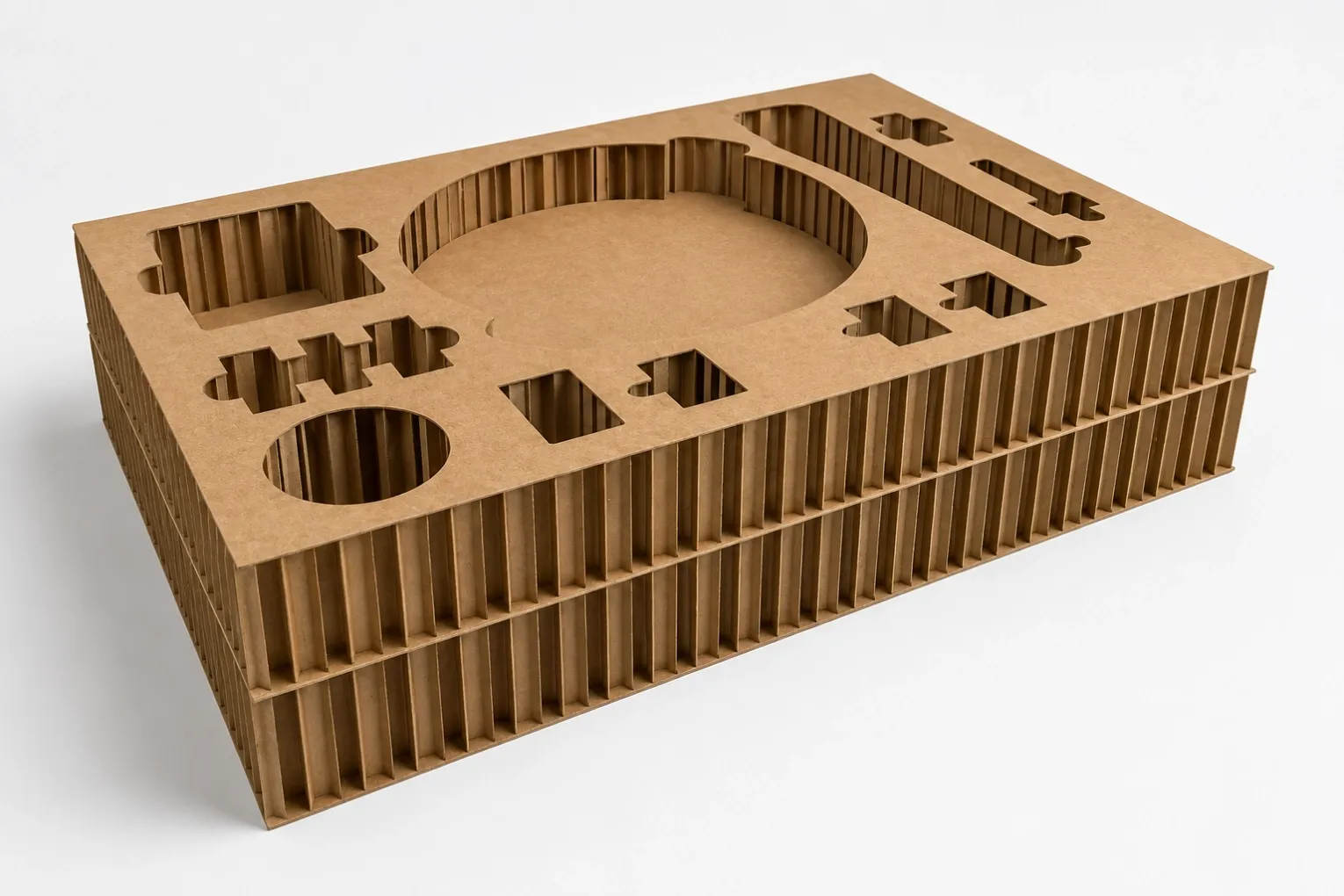
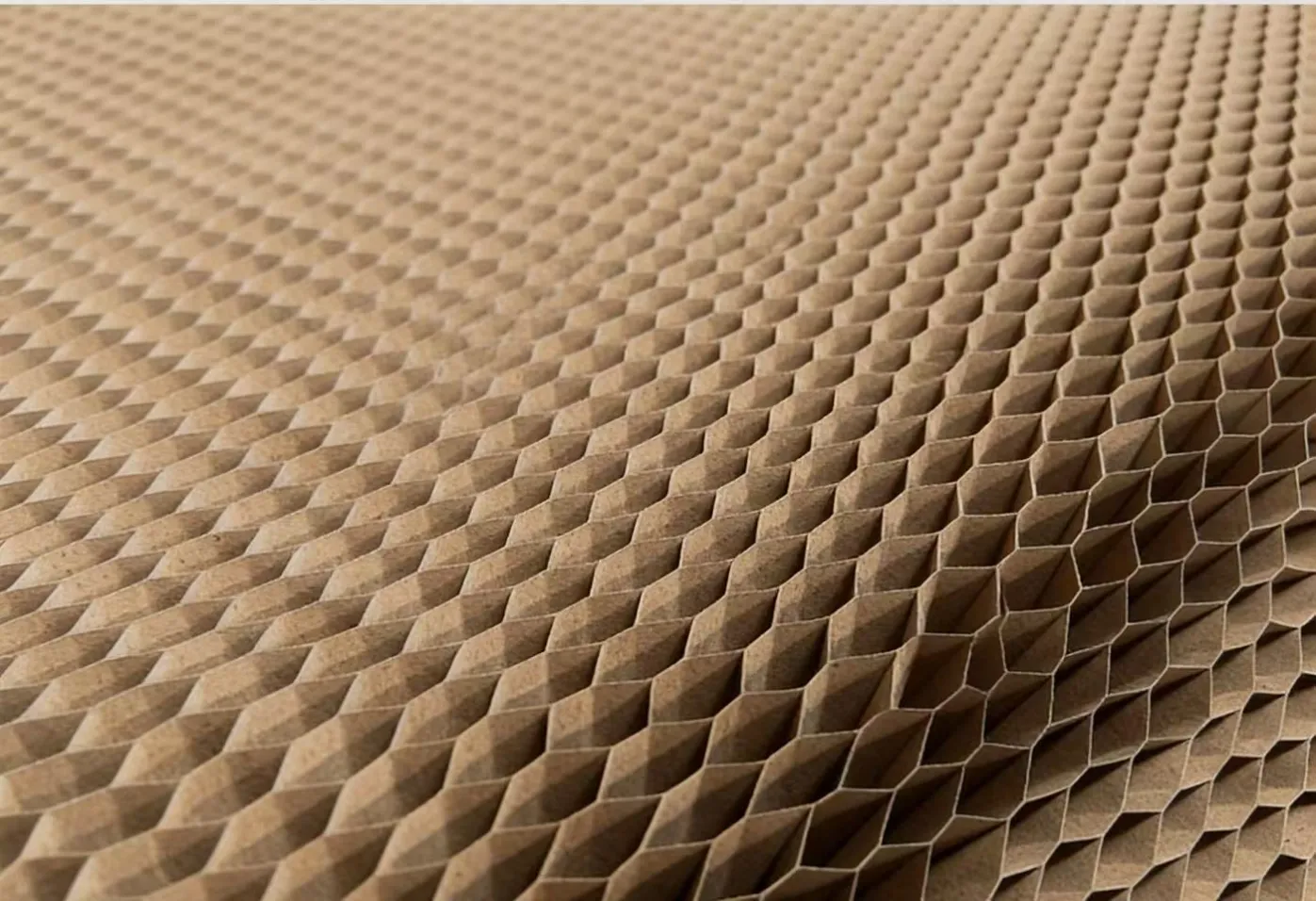
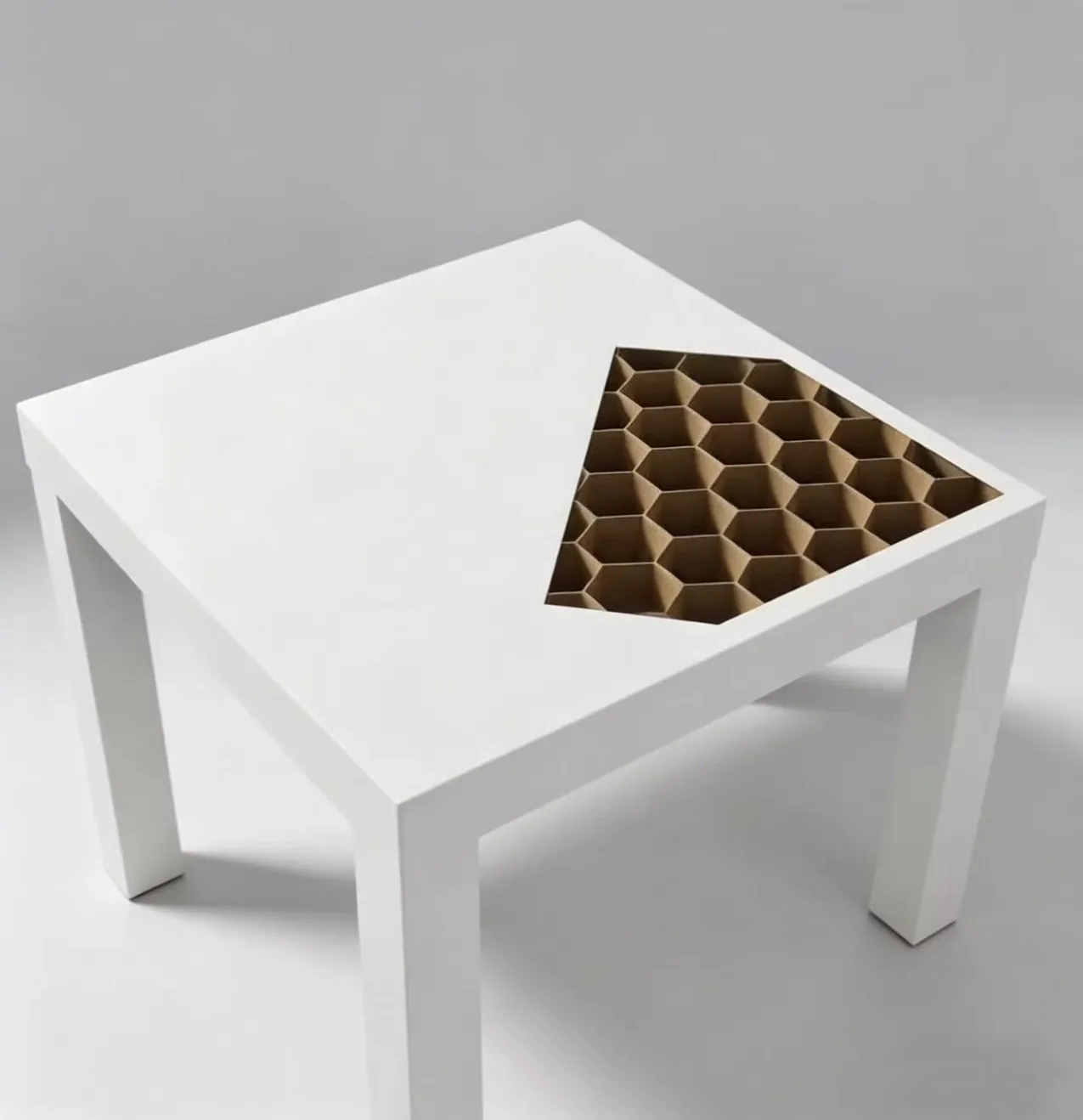
directly into your margins.Honeycomb paper infill consists of a high-strength hexagonal cellular structure
made from kraft paper. When sandwiched between two thin HDF/MDF skins, it
creates a composite panel (often called a lightweight board or hollow-core
board).
- The Weight Difference: A honeycomb composite panel weighs up to 60% to 70% less than a solid particleboard panel of the exact same thickness.
- The Financial Impact: Lighter packages mean cheaper parcel shipping rates (via FedEx, UPS, or DHL), easier handling for warehouse workers, and a significantly reduced risk of transit damage caused by heavy panels crushing each other.
- Structural Integrity: The Magic of the Hexagon
A common concern among traditional furniture makers is: "Is paper strong enough
to support daily use?"
The answer lies in geometry. The hexagonal honeycomb structure is nature’s most
efficient design for distributing weight and absorbing impact. When glued
properly with surface skins, the honeycomb core acts like the web of an I-beam.
It provides exceptional compressive strength and anti-warp properties. This
makes it the perfect infill for thick, chunky furniture designs (like IKEA-style
Lack tables or thick floating shelves) that would otherwise be impossibly heavy
and prone to bending if made from solid wood.

- ESG Compliance: Why "FSC®-Certified" is Non-Negotiable in 2026
Consumers today don't just buy furniture; they buy the values behind the brand.
Furthermore, governments across Europe and North America are heavily taxing
brands that fail to meet ESG (Environmental, Social, and Governance) standards.
Using standard paper isn't enough. You need FSC® (Forest Stewardship Council)
certification.
- Brand Trust: The FSC label proves to your end-consumers that the paper core comes from responsibly managed forests.
- Regulatory Compliance: It ensures your supply chain is 100% compliant with strict international timber and deforestation laws.
- Circularity: Honeycomb paper is 100% biodegradable and recyclable, helping your brand achieve its carbon-neutral goals effortlessly.
- The Hidden Margin Booster: Unexpanded Shipping
If honeycomb paper is so light, doesn't shipping it from overseas mean you are
paying to "ship empty air"?
This is where working with a specialized manufacturer like Maxwell TecX changes
the game.
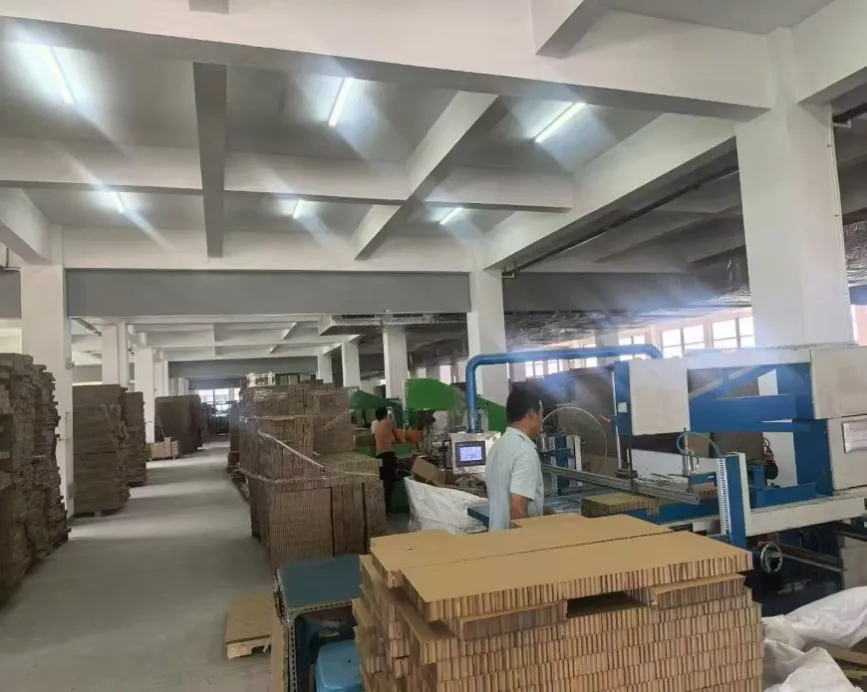
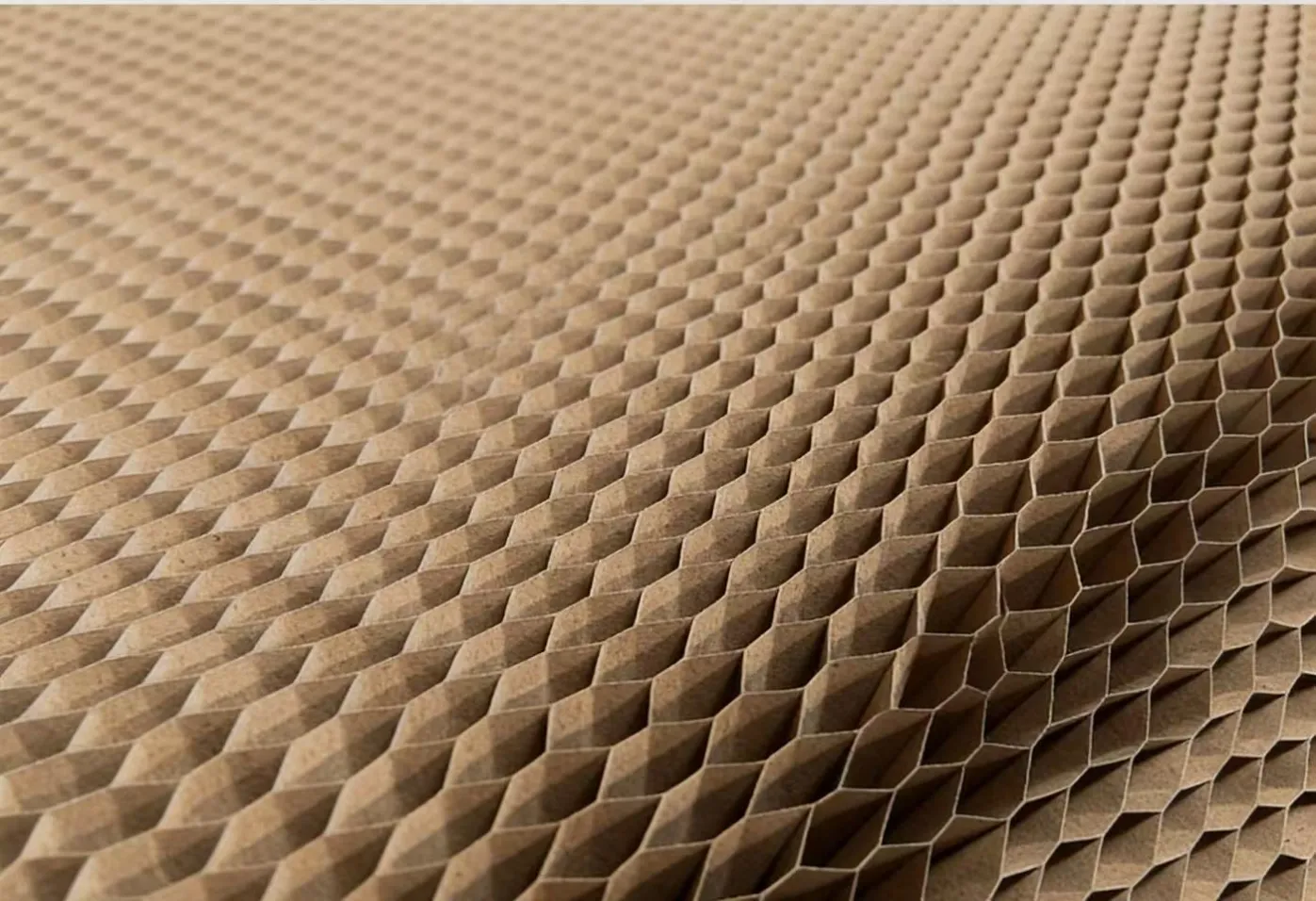
We supply high-strength honeycomb paper cores, but we ship them to your
furniture factory in an UNEXPANDED (compressed) state.
- 1:30 Expansion Ratio: A single pallet of compressed core expands up to 30 times its volume upon arrival at your facility.
- This logistics hack completely neutralizes high ocean freight rates, allowing you to source premium Chinese manufacturing quality at an unbeatable landed cost.
Frequently Asked Questions (FAQ)
Q1: How do you attach hinges and screws to honeycomb infill furniture?
Because
the core is mostly air, hinges and screws cannot grip the paper directly.
Furniture manufacturers solve this by inserting solid wood or MDF blocks
(blocking/framing) at specific points where hardware will be attached during the
pressing process.
Q2: Can honeycomb infill be used for exterior doors or outdoor furniture?
No.
Standard honeycomb paper is designed for interior use (like interior doors,
wardrobes, and indoor tables). Prolonged exposure to rain or extreme moisture
will degrade the paper structure.
Q3: Is it difficult to expand the paper core at our factory?
Not at all. The
unexpanded slices can be easily pulled apart manually or using an automated
expansion machine before being placed into the panel frame for cold or hot
pressing.
Conclusion: Lighten Your Load, Maximize Your Profit
The future of flat-pack furniture is lightweight, sustainable, and highly
engineered. By replacing outdated solid cores with FSC-certified honeycomb paper
infill, your brand can drastically cut shipping costs, meet 2026 ESG mandates,
and deliver a superior product to the modern consumer.
Ready to optimize your furniture manufacturing supply chain? Contact Our Engineers for a Custom Core Quote Today.