Aug 25, 2026
Honeycomb Core vs EPS Foam: 2026 Sustainable Packaging Guide
What is paper honeycomb core? Compare it vs EPS foam for protective packaging. Learn how to beat the Plastic Tax and save 80% on freight.
Honeycomb Core vs. EPS Foam: The Ultimate Sustainable Packaging Guide
For decades, Expanded Polystyrene (EPS) foam—commonly known as Styrofoam—has dominated the protective packaging industry. It is lightweight, cheap, and absorbs shock well. However, in today’s global market, EPS has become a massive liability.
With the introduction of strict environmental regulations like the UK and EU Plastic Packaging Tax, global brands are facing exorbitant compliance fees and consumer backlash for using unrecyclable plastics.
If you are a packaging engineer or procurement manager, you are likely searching for a viable, eco-friendly alternative that doesn't compromise on protection or destroy your profit margins.
Executive Summary: The Quick Verdict
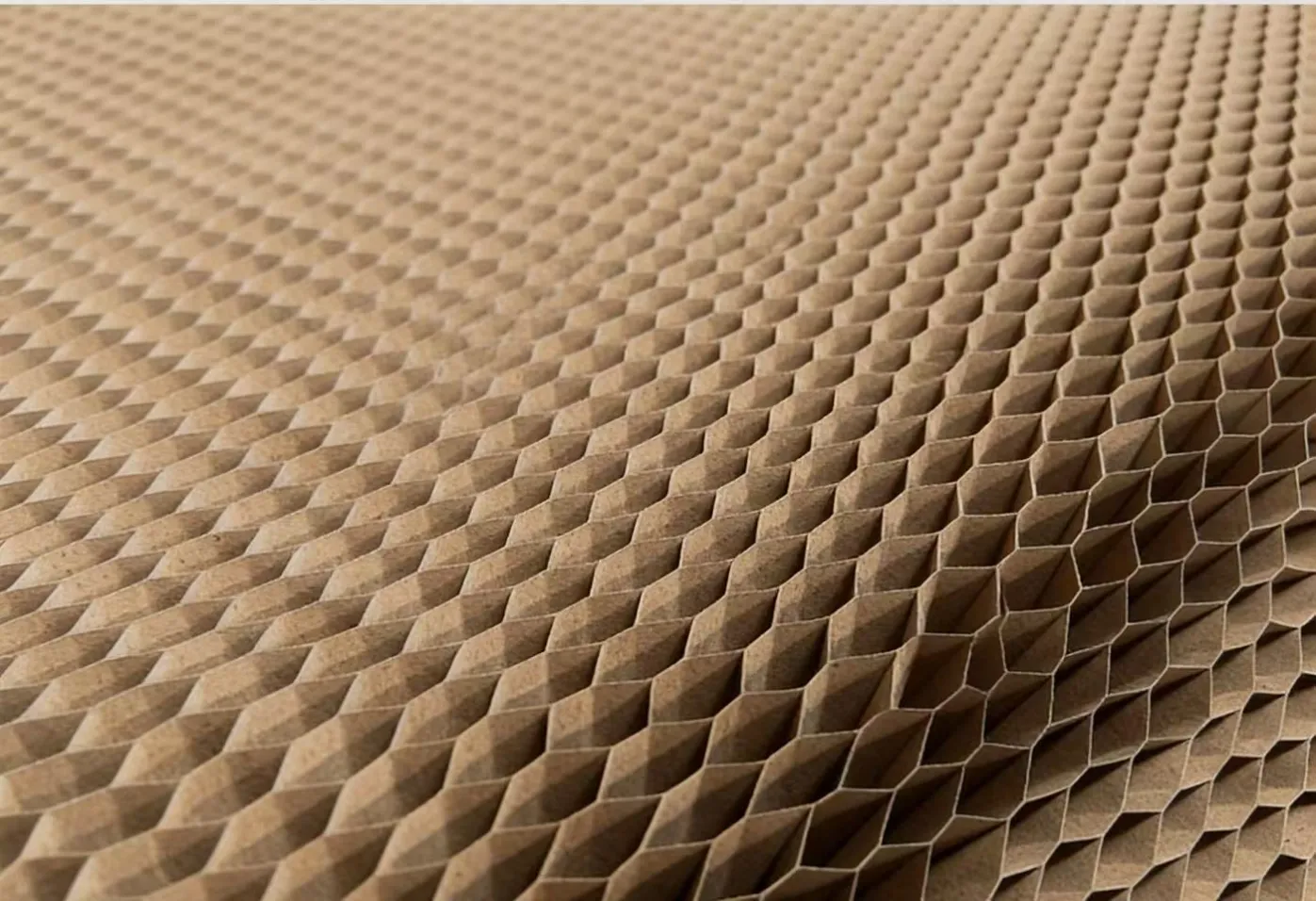
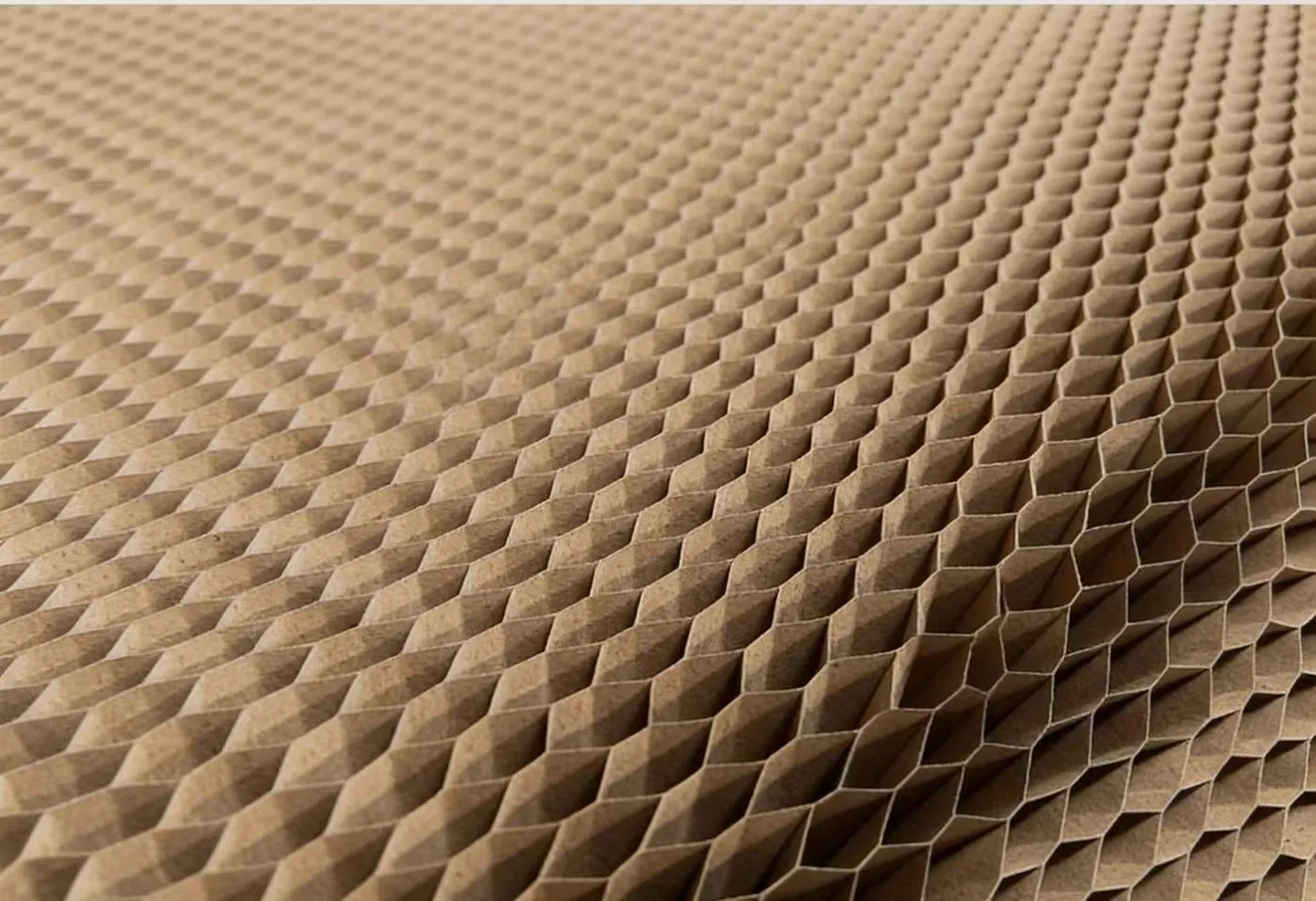
- What is paper honeycomb core?It is a high-strength, lightweight structural material made from corrugated kraft paper, engineered into a hexagonal cellular matrix (mimicking a natural beehive).
- The Problem with EPS:It is petroleum-based, virtually impossible to recycle curbside, attracts heavy plastic taxes, and takes up massive warehouse space.
- The Honeycomb Advantage:100% biodegradable, exempt from plastic taxes, offers superior heavy-duty shock absorption, and can be shipped unexpandedto slash inbound freight costs by up to 80%.
1. Shock Absorption & Protection: Can Paper Replace Plastic?
The primary function of any packaging insert is to protect fragile goods (e.g., medical devices, glass bottles, electronics, or automotive parts) during transit.
While EPS foam absorbs impact by compressing and breaking its beads, paper honeycomb cores absorb impact through structural geometry. The vertical hexagonal cells act as hundreds of tiny shock absorbers. When subjected to heavy impact, the paper core crushes uniformly, dispersing the kinetic energy away from your product.
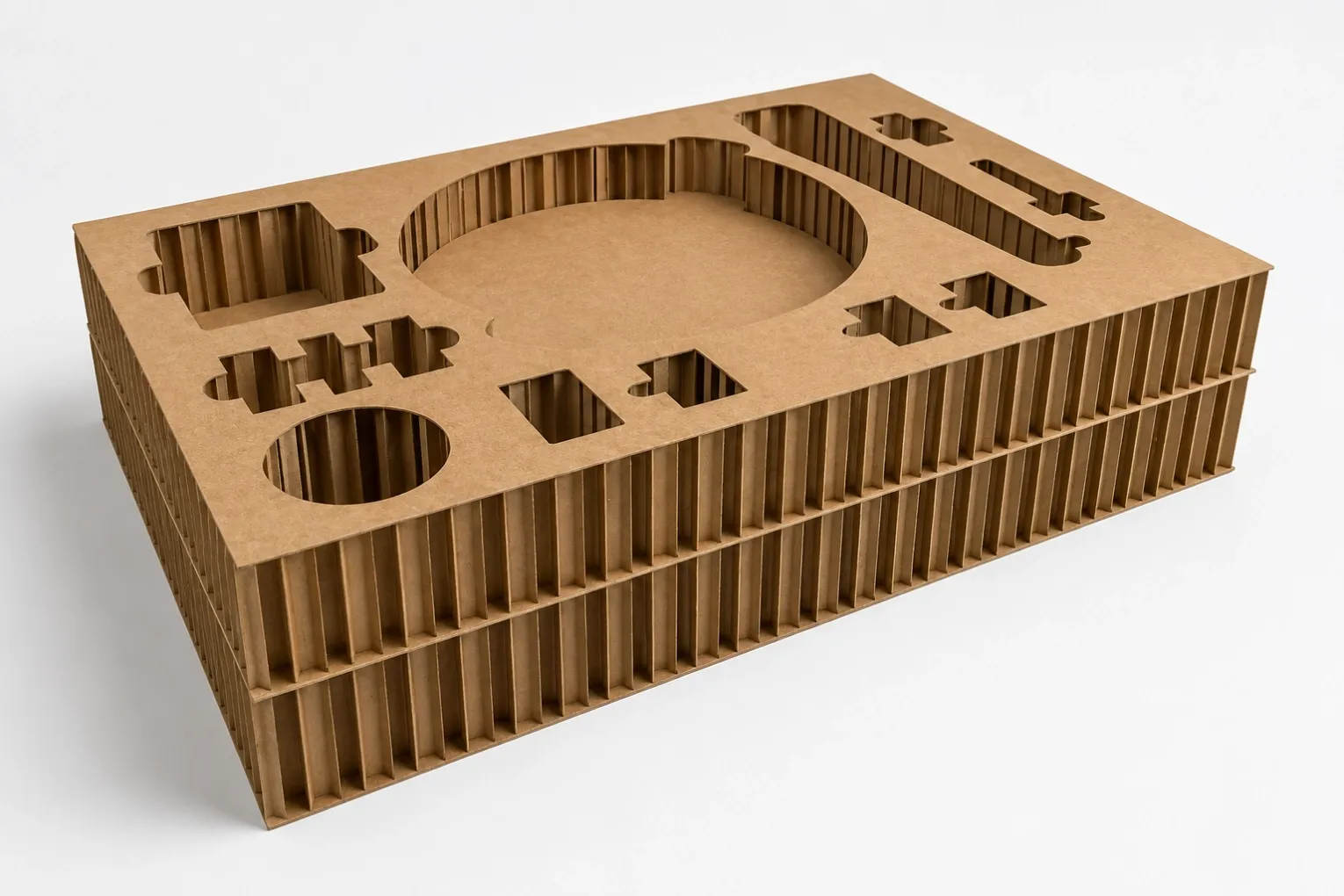
- Die-Cut Precision:Working with a professional paper honeycomb core manufacturer, the material can be CNC-machined and die-cut into complex 3D shapes. This allows it to perfectly cradle your product, serving as an exact drop-in replacement for molded EPS foam inserts.
2. ESG Compliance & End-User Experience
Modern consumers despise the "snowstorm" effect of unpacking EPS foam—the tiny white beads that cling to everything and end up in landfills for centuries.
- The EPS Reality:Many local municipalities refuse to recycle EPS, meaning your end-users must pay disposal fees or throw it in the trash.
- The FSC Honeycomb Reality:Made from renewable kraft paper, honeycomb cores are 100% universally recyclable in standard cardboard streams. By partnering with an FSC certified honeycomb core supplier, you guarantee a transparent, sustainable supply chain. Your end-users simply toss the packaging into their paper recycling bin—a frustration-free, premium unboxing experience.
3. The Hidden Cost Killer: Freight and Warehousing
This is where the comparison between EPS foam and honeycomb paper takes a dramatic turn.
EPS foam is 98% air. When you buy EPS foam, you are paying to ship and store empty space. A truckload of EPS foam takes up massive warehouse real estate, driving up your operational costs.
The Maxwell TecX Logistics Hack:
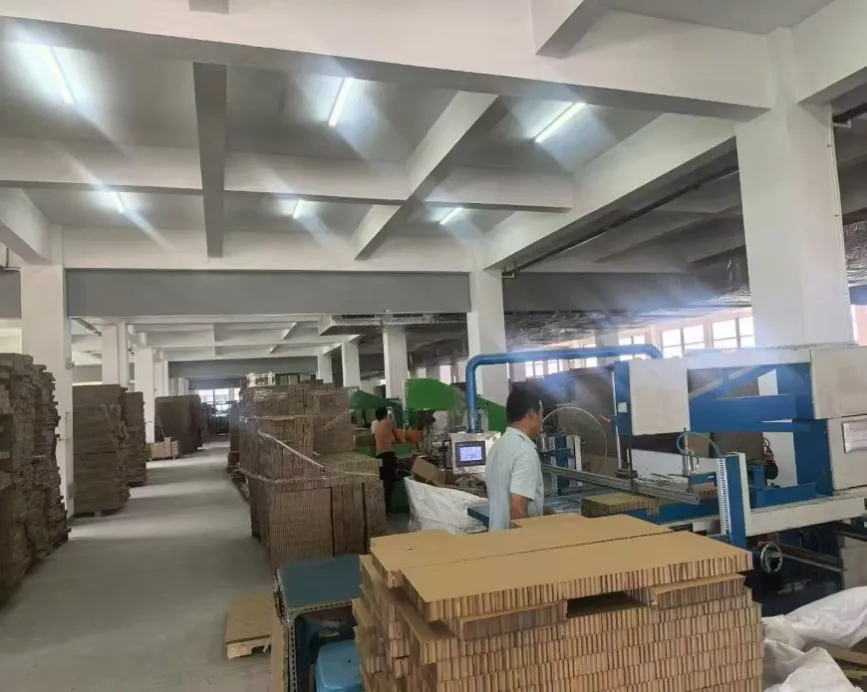
As a leading Chinese manufacturer, we don't just supply honeycomb paper; we engineer supply chain savings. We ship our honeycomb paper cores in an UNEXPANDED (compressed) state.
- 1:30 Expansion Ratio:A single pallet of compressed honeycomb core expands up to 30 times its volume upon arrival at your facility.
- This means one shipping container of our unexpanded core yields the same packaging volume as 30 containers of EPS foam. You completely neutralize high ocean freight rates and free up 90% of your warehouse floor space.
Frequently Asked Questions (FAQ)
Q1: Is paper honeycomb core more expensive than EPS foam?
On a per-unit material basis, engineered honeycomb can sometimes be slightly higher than cheap EPS. However, when you factor in the Total Cost of Ownership (TCO)—including the elimination of plastic taxes, 80% savings on inbound freight (via unexpanded shipping), and zero disposal fees—honeycomb paper is significantly more cost-effective.
Q2: Can honeycomb packaging be used for cold chain or thermal insulation?
Yes. The trapped air within the closed hexagonal cells provides excellent thermal insulation, making it a highly effective, eco-friendly alternative to EPS coolers for chilled food and pharmaceutical transport.
Conclusion: Partner with the Right Manufacturer
Transitioning from EPS foam to sustainable paper packaging is no longer optional; it is a regulatory and commercial necessity.
If you are looking for a reliable paper honeycomb core supplier to secure your 2026 packaging roadmap, Maxwell TecX is your strategic partner. Operating a highly efficient dual-entity model, we combine our dedicated Chinese manufacturing base with global engineering expertise.